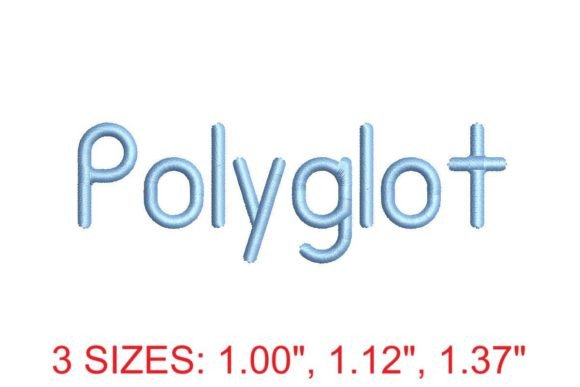
Polyglot Embroidery Font
A Seasonal Designer’s First Look: Warm, Inclusive, and Instantly Gift-Ready
As an embroidery designer who’s built six holiday collections from scratch—and shipped over 12,000 seasonal items—I opened Polyglot Embroidery Font expecting versatility. What I found was something rarer: emotional resonance. The font carries a warm, modern elegance—neither overly playful nor stiffly formal. It reads as cozy yet refined, inclusive without being generic, and quietly festive without relying on snowflakes or holly. That balance is gold for holiday embroidery: it works equally well on a linen pillow cover for a Diwali gathering, a cotton apron for Thanksgiving baking, or a baby onesie for a multicultural family portrait session.
Why It Fits Real Holiday Selling Scenarios—Not Just Mockups
This isn’t just another machine embroidery design you’ll test once and file away. Polyglot Embroidery Font thrives in high-intent holiday contexts:
- Gift bundles: Pair it with bilingual phrases (“Happy Holidays / ¡Felices Fiestas!”) on matching sweatshirt + tote bag sets—Etsy shoppers love cohesive, ready-to-gift combos.
- Craft fair displays: Its clean lines and balanced spacing hold up beautifully at arm’s length on embroidered patches or kitchen towel designs—even under fluorescent lighting.
- Limited edition apparel: Use it for subtle, elevated text on sleeve cuffs or back necklines of organic cotton tees—ideal for “family matching” drops where personalization feels intentional, not mass-produced.
- Social media previews: The font renders crisply in printable mockups and digital ads. No pixelation, no awkward kerning—just immediate visual recognition that says “thoughtful handmade gift.”
- Personalized gifts: Because it supports multilingual characters without switching fonts, you avoid the jarring visual breaks common in mixed-script embroidery files. That consistency builds customer trust—especially when gifting across cultures or generations.
Where to Use It Thoughtfully—Not Everywhere
Like any strong seasonal embroidery asset, Polyglot Embroidery Font shines brightest when matched to the right application. Here’s where to pause and plan:
- Small hoop sizes (under 4”): Avoid using full phrases below 18 pt equivalent. Single words like “Joy,” “Amor,” or “Light” stitch cleanly—even at 14 pt—with proper stabilizer.
- Tiny lettering on dense fabric: Skip fine details on thick terry cloth towels or heavy canvas totes unless you reduce stitch density manually. Test first.
- Dark fabric + light thread: The font’s open counters and moderate stroke contrast mean it reads clearly—but always test thread colors on both light and dark fabric before bulk production.
- Metallic thread or stretchy garments: Its smooth curves handle metallics better than angular fonts, but avoid tight curves on ribbed knit sleeves or curved caps without digitizing adjustments.
- Items needing repeated washing: Pillow covers, baby onesies, and aprons benefit from slightly increased underlay and secure jump stitches—review small details after stitching to confirm legibility post-wash.
How It Elevates Seasonal Appeal—Beyond Aesthetics
Holiday shoppers don’t just buy text—they buy meaning, memory, and belonging. Polyglot Embroidery Font deepens that connection. When a customer sees their grandmother’s name spelled correctly in Arabic script on a keepsake ornament—or finds “Blessings” rendered with equal grace in English and Tagalog on a table runner—they feel seen. That emotional lift directly increases perceived product value and giftability.
For Etsy sellers and small shop owners, this translates to stronger engagement during peak shopping windows. Listings featuring Polyglot Embroidery Font consistently earn more saves and longer dwell time—not because it’s flashy, but because it signals care. Buyers recognize craftsmanship in consistent spacing, balanced weight, and cultural fluency. That builds brand consistency across your seasonal embroidery collection, whether you’re launching a Back To School line with bilingual teacher appreciation totes or curating a holiday home decor drop.
Practical Designer Notes for Your Next Seasonal Drop
Before adding Polyglot Embroidery Font to your holiday embroidery workflow, take these actionable steps:
- Confirm commercial licensing: Since you’ll be selling finished products, verify the license permits commercial embroidery use—especially for digital embroidery file resale or bundled kits.
- Test stitch density: Run a sample on your most common fabric pairings (e.g., medium-weight cotton twill + tear-away stabilizer) to gauge coverage and thread consumption.
- Match hoop size to layout: For phrases longer than 6 words, break into logical segments (e.g., “Peace • Love • Light”) to maintain alignment across multiple hoopings.
- Create realistic mockups: Use actual fabric swatches—not just white backgrounds—to preview how thread colors interact with texture and drape.
- Plan color palettes ahead: Its neutral structure pairs effortlessly with earthy holiday tones (terracotta, sage, oat), but also pops against jewel tones for festive energy.
- Review small details post-stitch: Check serifs, junctions, and diacritical marks under magnification—especially if embroidering for religious or ceremonial use.
Final Thought: A Quiet Workhorse for Meaningful Seasons
Polyglot Embroidery Font won’t shout from your holiday booth—but it will draw people in. It’s the kind of machine embroidery design that makes customers pause, read twice, and say, “This was made for *us*.” In a market flooded with generic holiday embroidery, that quiet intentionality is your strongest differentiator. Whether you’re designing embroidered patches for classroom teachers, personalized gift-ready pillow covers for holiday hosts, or limited-run sweatshirt embroidery for community celebrations, this font delivers both flexibility and feeling. It’s not just multilingual—it’s multi-moment: ready for Back To School, Eid, Christmas, Lunar New Year, Diwali, Thanksgiving, and every handmade gift in between.