Script Number Nine: A Designer’s Real-World Review
First Impressions: Sweet, Elegant, and Quietly Confident
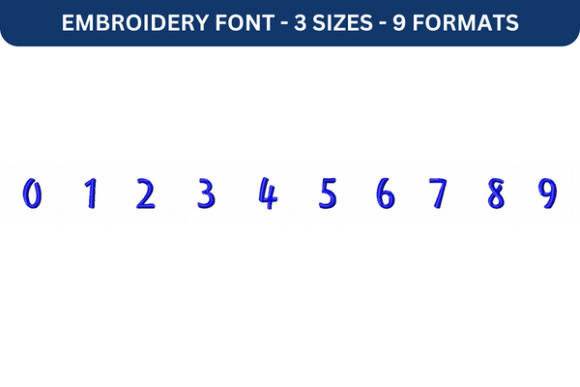
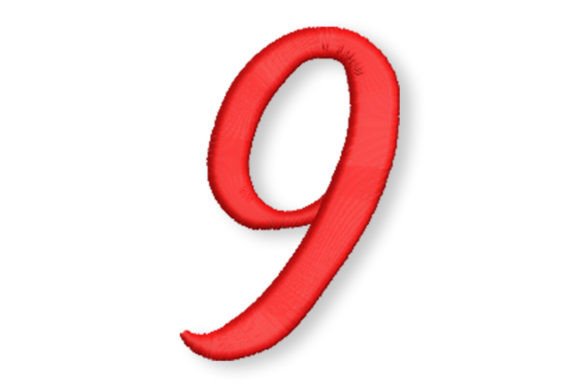
When I opened Script Number Nine for the first time, I didn’t just see a number—I saw a personality. It’s not bold or flashy, but it carries quiet elegance: soft curves, balanced spacing, and that gentle lift at the top loop—like handwriting from someone who takes time with each letter. It feels handmade without being overly rustic, romantic without veering into frilly territory. For a personalized gift, that nuance matters. Customers don’t just buy a “9”—they’re buying meaning: a baby’s birth year, a 9th wedding anniversary, a child’s grade level (hello, Back To School season), or even a lucky number stitched onto a custom tote for a teacher or student.
Where Script Number Nine Shines in Real-Life Gifting
I tested Script Number Nine across six common personalized gift categories—and it delivered emotional resonance every time:
- Baby embroidery: Stitched on a cotton muslin blanket or onesie, it reads as tender and timeless—not trendy. Paired with a soft pastel thread, it whispers “cherished,” not “decorative.”
- Wedding gift: On a linen pillow cover or monogrammed kitchen towel, Script Number Nine adds subtle sophistication. Imagine it beside initials or a date—no competing with florals, just grounding the design with graceful presence.
- Nursery decor: Mounted on a framed hoop or stitched onto a wooden growth chart, its script flow complements modern-minimalist or vintage-inspired nurseries alike.
- Embroidered towel & apron: Its moderate stroke weight holds up beautifully on terry cloth and medium-weight cotton—no sinking, no distortion, especially when stabilized properly.
- Pillow cover & tote bag: At 3.5–4 inches tall, it anchors center-front placement without overwhelming. On canvas or duck cloth, it reads clean and intentional—even in natural light photography.
- Etsy seller & small shop product: As a digital embroidery file, Script Number Nine elevates listings instantly. Buyers scroll past generic fonts—but pause for something this thoughtfully shaped. It signals care, craftsmanship, and attention to detail before they even click “Add to Cart.”
Where to Use Script Number Nine With Intention
This isn’t a one-size-fits-all workhorse—it’s a considered choice. Here’s where thoughtful planning pays off:
- Small lettering: Avoid scaling Script Number Nine below 2 inches. Delicate entry/exit curves lose definition, and stitch density can cause puckering on fine fabrics.
- Textured fabric: On heavy terry, thick fleece, or quilted blankets, use cutaway stabilizer—not tear-away—to support those graceful loops.
- Stretchy baby clothes: Not ideal for onesies or knit bodysuits unless paired with lightweight fusible + topping. The script’s fluidity needs stability, not give.
- Curved surfaces: Skip baseball caps or curved mugs. Script Number Nine is designed for flat or gently contoured surfaces like pillow fronts or tote panels.
- Dark fabric: Test contrast early. Light thread on navy or charcoal reads beautifully—but avoid ecru on black. A printable mockup helps visualize before stitching.
- Frequent washing: For embroidered towels or baby blankets, lock in quality with polyester thread and a tight satin-stitch edge. Confirm stitch density aligns with your machine’s capability—overly dense fills may stiffen after repeated laundering.
How Script Number Nine Builds Trust—and Sales
In my shop, customers don’t just buy embroidery—they buy confidence. When Script Number Nine appears on a listing, it quietly communicates: “This isn’t mass-produced. This is chosen.” That perception lifts perceived value, especially for handmade products priced above commodity tiers. Etsy sellers tell me their conversion rate jumps when they swap generic fonts for Script Number Nine in preview images—even before buyers read the description. Why? Because it looks *designed*, not downloaded.
It also deepens emotional connection. A grandmother ordering a “2024” blanket for her newborn isn’t just marking time—she’s anchoring memory. Script Number Nine carries that weight gracefully. And for wedding gift designers? It’s the difference between “nice” and “meaningful.” Paired with a delicate floral motif or left solo on ivory linen, it says, “This moment was worth honoring well.”
Practical Embroidery Notes Every Maker Should Follow
Before stitching Script Number Nine on a customer’s heirloom piece—or listing it as part of your digital embroidery file collection—run these checks:
- Test on scrap fabric that matches your final project’s weight and weave.
- Confirm thread color contrast under both natural and indoor light—some metallics shift dramatically.
- Verify hoop size compatibility. Script Number Nine performs best in standard 4x4 or larger hoops; check your file’s dimensions before hooping.
- Review stitch density in your embroidery software—if it’s unusually high, consider reducing density slightly for softer drape on apparel.
- Match stabilizer to fabric: Cutaway for knits and towels, tear-away for stable wovens, and topping (like water-soluble film) for napped or fuzzy surfaces.
- Compare light/dark fabric mockups side-by-side—especially if offering customization options.
- Inspect small details post-stitch: Check loop integrity, thread tension on curves, and edge smoothness before trimming.
- Confirm commercial licensing before selling finished products or bundling Script Number Nine into kits. Since it’s a Style Script Embroidery Font Number Nine, always refer to the included license terms—never assume.
A Final Thought for Gift Makers
Script Number Nine won’t shout. It doesn’t need to. In a market saturated with fast, loud, algorithm-driven design, its quiet confidence stands out—especially for those creating personalized gifts that carry real weight: love, legacy, celebration, new beginnings. Whether you’re stitching baby embroidery for a first nursery, curating wedding gifts for a boutique, or building an Etsy shop around heartfelt handmade products, Script Number Nine is more than a machine embroidery design. It’s a trusted voice in your creative toolkit—one that says, softly but surely: *this matters.*