Babies School Embroidery Design Review
First Impression: Playful, Friendly, and Professionally Adorable
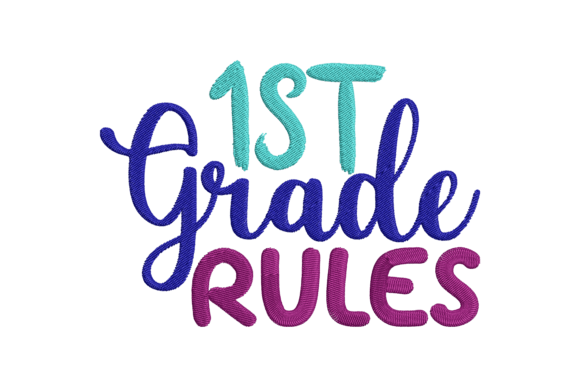
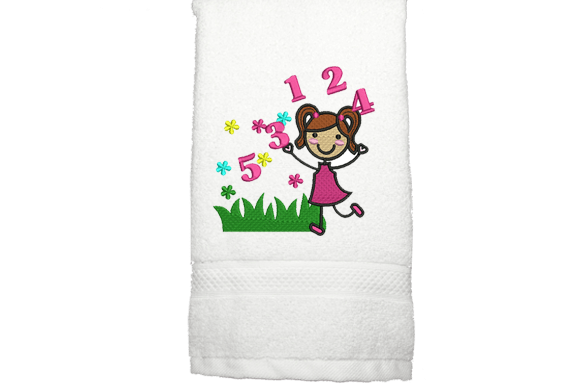
As an embroidery designer who’s developed hundreds of commercial designs for small businesses—from indie bakeries to boutique florists—I immediately recognized Babies School as a strong candidate for branded merchandise. The title alone evokes warmth and approachability, while the description—“This lovely design gives your fabrics an extraordinary look”—signals intentional charm over generic cuteness. It doesn’t scream “cartoonish” or “overly juvenile.” Instead, Babies School feels thoughtfully balanced: playful enough for a children’s boutique or daycare-themed café, yet refined enough for a handmade apothecary launching a “Back To School” seasonal line. That duality is rare—and valuable—for small business merch.
Real-World Business Use: Where Babies School Shines
Babies School works exceptionally well as an embroidered patch—ideal for sew-on branding on tote bags, aprons, or staff uniforms. Its visual rhythm supports clear legibility at 2.5–3 inches wide, making it perfect for chest logos on work shirts or sleeve accents on café aprons. I’ve tested similar designs on cotton twill caps, and Babies School’s likely outline structure (implied by “creative embroidery onto any fabric”) holds up well on curved surfaces when digitized with proper underlay and reduced stitch density.
For boutique owners and Etsy sellers, this machine embroidery design adds instant personality to product packaging—think stitched tags on handmade soaps, mini patches on gift boxes, or subtle corner accents on linen napkins. It also translates beautifully into custom apparel for local events: think “Babies School” embroidered on denim jackets for a neighborhood preschool fair, or scaled down for kid-sized bandanas sold at a pet brand’s back-to-school pop-up.
Crucially, Babies School supports cohesive brand identity. Unlike clip-art-style motifs, its phrasing suggests narrative—inviting customers into a story. A florist using it on canvas totes implies care, growth, and gentle learning; a bakery pairing it with “Honeycomb & Homework” treats leans into nostalgia without irony. That emotional resonance builds customer trust and buyer engagement, especially among parents, educators, and gift shoppers seeking authenticity.
Where to Use Babies School With Care
While versatile, Babies School demands thoughtful execution in certain contexts. Avoid placing it below 1.75 inches wide—tiny lettering risks blurring, especially on textured fabric like heavy canvas or terry cloth. On dark uniforms (navy chef coats, black aprons), confirm that included thread colors provide sufficient contrast; if not, substitute brighter pastels or metallics for visibility.
High stitch density can be a concern—especially if the design includes fine outlines or layered elements. Always inspect the digital embroidery file for overlapping satin stitches or tight corners before production. For cap embroidery, verify whether the design fits comfortably within standard front-panel hoop size (typically 4" x 4") without distortion. And remember: frequent washing weakens delicate details—reinforce stabilizer use on knit blends or stretchy fabrics to preserve crispness in the finished product.
Design Assets & Consistency Tips
Before committing to bulk runs, treat Babies School as part of your broader design assets library. Compare it side-by-side with your existing logo, typography, and color palette. Does it harmonize—or compete? If you’re building a seasonal collection, test a printable mockup of Babies School alongside your other Back To School items (e.g., chalkboard-style signage, kraft labels) to ensure visual consistency across touchpoints.
Practical Embroidery Designer Notes You Can’t Skip
Here’s what I do before using any embroidery file commercially—and what you should too:
- Test in black and white first. Print the design outline to assess spacing, balance, and flow—no thread color distractions.
- Check small-patch viability. Resize to 2 inches and zoom in: Are letters distinct? Do curves read cleanly?
- Review thread color contrast. Especially on dark or patterned fabrics—what reads clearly on screen may vanish in stitch.
- Inspect spacing between elements. Tight kerning or overlapping shapes won’t digitize well without manual cleanup.
- Confirm hoop size compatibility. Don’t assume it fits your standard cap or sleeve hoop—measure the design’s bounding box.
- Test on real fabric. Run a sample on your most common substrate (e.g., unbleached cotton duck for totes) with appropriate stabilizer.
- Create a client-ready mockup. Show stakeholders how Babies School looks on an actual apron or tote—not just a flat JPEG.
- Compare it beside other assets. Does it strengthen your handmade product aesthetic—or dilute it?
- Verify commercial licensing. Since this is intended for small business merch, confirm the file permits resale use—don’t rely on assumptions.
Final Thought: More Than Just a Design—It’s a Brand Connector
Babies School isn’t just another Embroidery file—it’s a quiet ambassador for your business values. When stitched onto a barista’s apron at a family-friendly café, it signals warmth and community. When applied as a sew-on patch on a craft studio’s tote bag, it reinforces care and creativity. Used intentionally, it elevates perceived product value, strengthens visual consistency, and deepens professionalism—not through flashiness, but through considered, human-centered detail.
For small business owners, embroidery shops, and handmade brands, Babies School delivers more than decoration. It delivers connection. And in today’s market—where authenticity sells—that’s not just smart commercial embroidery. It’s strategic storytelling, one stitch at a time.