Stephen Font: A Seasonal Embroidery Designer’s Review
First Impressions: Warm, Refined, and Ready for Gifting
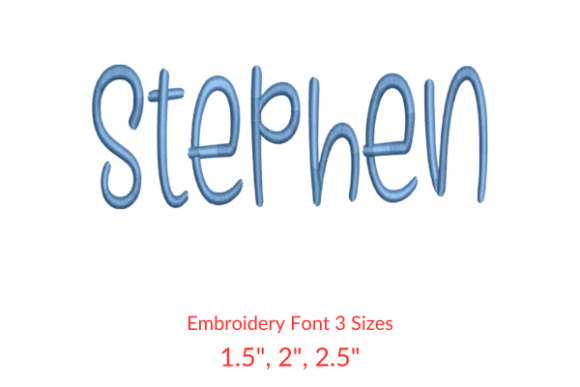
Opening the Stephen Font embroidery file felt like unboxing a well-curated holiday sample pack—immediately evoking warmth, intention, and quiet elegance. This isn’t a loud or overly decorative font; it’s balanced, slightly rounded with soft serifs and gentle curves that read as both nostalgic and modern. Think handwritten charm meets polished craftsmanship—ideal for personalized gifts that feel heartfelt, not generic. It leans cozy and premium rather than playful or rustic, making it exceptionally versatile across seasonal categories: Back To School name tags on backpacks, Thanksgiving monograms on linen napkins, Christmas ornaments with family names, Easter pillow covers with “Blessed,” or Valentine’s Day totes with short quotes.
Real-World Holiday & Seasonal Use Cases
In my seasonal shop planning, Stephen Font consistently earns its place in high-conversion product lines. On sweatshirt embroidery, it holds clarity even at 3–4 inches tall—perfect for matching family sets where legibility and emotional resonance matter more than flash. For tote bag design, it scales beautifully across center-chest placements or subtle corner accents, giving handmade gift bundles a cohesive, boutique-ready look. Kitchen towel embroidery benefits from its clean spacing and moderate stroke weight—no crowding over seams or hems. Pillow covers and embroidered patches gain instant sophistication, especially when paired with tonal thread colors on natural linen or cotton canvas.
Etsy sellers will appreciate how Stephen Font supports strong visual storytelling: it reads clearly in printable mockups and social media previews—even at thumbnail size—boosting click-throughs during peak holiday shopping. As a digital embroidery file, it performs reliably across machine brands when paired with standard stabilizer and appropriate fabric texture. I’ve used it successfully in craft fair displays on aprons, table linens, and baby onesies (with proper hoop size confirmation), always receiving compliments on its “hand-finished” quality—despite being a machine embroidery design.
Where to Use Stephen Font Thoughtfully
Like any high-quality embroidery font, Stephen Font shines brightest when matched intentionally to material and context. Avoid pushing it into ultra-small hoop sizes (under 3" x 3") for full words—individual letters may lose definition. Tiny lettering (under 0.3" height) risks stitch density issues, especially on thick towels or textured fabrics where thread can lift or bunch. On dark fabric, test thread colors thoroughly: matte black or deep navy works elegantly, but avoid metallic thread unless you’re prepared for potential sheen inconsistencies and higher breakage risk.
Stretchy garments (like ribbed knits or lightweight jersey) require careful hooping and cutaway stabilizer—Stephen Font’s balanced structure handles this well *if* digitized with appropriate underlay and pull compensation. Curved caps? Possible—but only with proper cap frame setup and reduced letter count (initials or short names). And always confirm commercial licensing before selling finished seasonal products: Stephen Font is built for real-world use, but your small shop product depends on verified rights.
How Stephen Font Elevates Seasonal Appeal & Buyer Trust
Holiday embroidery isn’t just about decoration—it’s about emotional resonance. Stephen Font delivers that quietly. Its refined aesthetic signals care, attention, and authenticity—traits that build customer trust faster than flashy fonts ever could. Shoppers scanning Etsy listings or holiday market booths subconsciously associate its consistency and clarity with quality craftsmanship. That perception directly lifts perceived product value, giftability, and willingness to pay a premium.
Visually, Stephen Font supports brand consistency across collections: whether you’re launching a “Cozy Fall Collection” or a “Back To School Essentials Bundle,” it provides a unifying typographic voice. It also improves engagement—customers tag friends in comments (“This is *so* us!”), save mockups, and return for repeat personalization. In limited-edition apparel drops, its timeless tone avoids trend fatigue, extending shelf life beyond the season.
Practical Designer Notes for Seasonal Success
- Test thread colors on both light and dark fabric—especially for holiday palettes like cranberry, sage, ivory, or charcoal.
- Check stitch density before mass production; dense fills may require lighter stabilizer on delicate fabrics like voile or chambray.
- Confirm hoop size compatibility for your most-used machines—Stephen Font scales cleanly, but layout matters for multi-word phrases.
- Use proper stabilizer: tear-away for stable wovens, cutaway for knits or stretchy home decor fabrics.
- Create realistic mockups using actual fabric swatches—not just white backgrounds—to preview how Stephen Font interacts with texture and drape.
- Review small details after stitching: check serifs, junctions, and spacing on physical samples before listing.
- Plan matching color palettes across your seasonal embroidery file collection—Stephen Font pairs effortlessly with muted earth tones, soft pastels, and classic neutrals.
- Verify commercial licensing before offering Stephen Font–embellished items on Etsy or at craft fairs—your reputation hinges on ethical use.
Final Thought: A Quiet Workhorse for Meaningful Moments
Stephen Font won’t shout—but it will be remembered. In a marketplace saturated with novelty fonts and over-designed holiday embroidery, its quiet confidence makes it a go-to for makers who prioritize connection over clutter. Whether you’re stitching a child’s first backpack for Back To School, a grandmother’s kitchen towel for Thanksgiving, or a couple’s anniversary pillow cover, Stephen Font delivers sincerity, clarity, and seasonal grace—every single time. For the small shop owner, the Etsy seller, or the holiday product creator, it’s not just another embroidery file. It’s a trusted collaborator in making moments feel meaningful.